A · Asymmetry
One half differs in shape from the other.
Regular, thorough skin examinations can help find skin cancer early and increase treatment options. Dr. Patricia Crow, a family doctor, sees patients by referral from their physician.
Talk with your physician about your skin concerns and a referral to Dr. Patricia Crow. We provide skin screening by referral only. Consult your physician right away if you detect concerning changes.
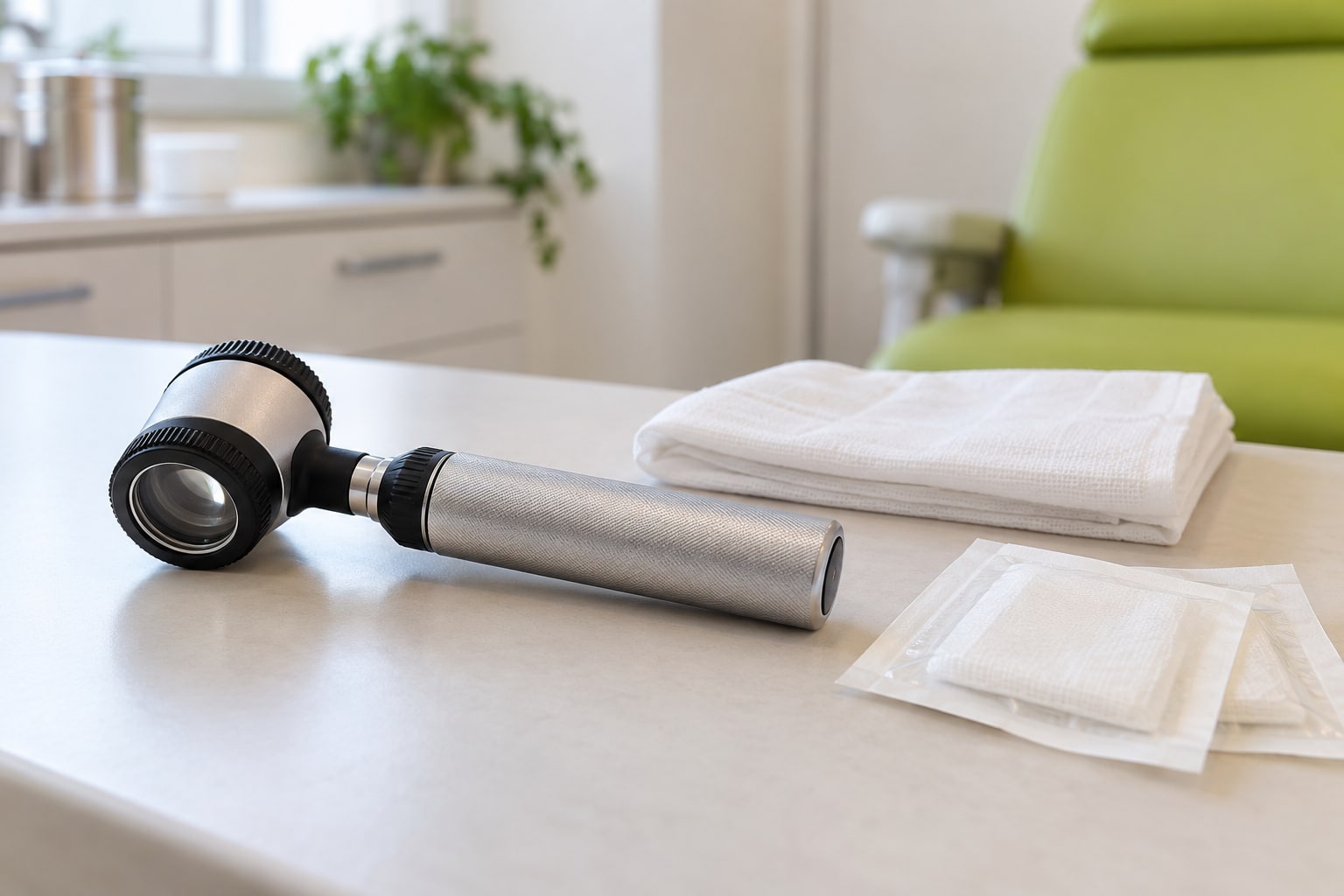
During a skin inspection, Dr. Patricia Crow examines the whole surface of your skin, paying particular attention to areas exposed to the sun, to identify early areas of concern.
Contact your physician if you notice a change or concern, including:
The ABCDE guide describes features used to identify suspicious moles during self-evaluation and to help physicians assess a mole. Discuss any changes with your physician; a skin examination is needed to assess a concern.
One half differs in shape from the other.
A mole’s edge is irregular, jagged, notched or fuzzy. Its colour may extend into the surrounding skin.
A mole’s colour is not consistent throughout. It may be tan, brown or black, with patches of blue, grey, red, pink or white.
The mole is bigger than 6 mm across, roughly the size of a pencil eraser.
Its colour, size or shape has changed.
Discuss regular skin examinations with your physician if you have risk factors such as:
Approximately 85 percent of non-melanoma skin cancers grow on sun-exposed areas, while 20 percent of melanomas develop on skin not always exposed to the sun. A thorough examination includes all of your skin.